Spring Season Planning for Stove Pipe Installation Projects
Spring is the perfect time for property owners to connect with local contractors who can expertly handle stove pipe installation and refresh their home heating systems.
Spring is a popular season for stove pipe installation projects because it offers an ideal window for planning and completing updates before the more active heating months arrive. As property owners begin to think about preparing their homes for the upcoming seasons, spring provides a practical opportunity to assess existing venting systems and consider necessary upgrades or replacements. Additionally, milder weather conditions make it easier to work outdoors, allowing contractors to perform installations without the challenges posed by winter cold or summer heat. This seasonal timing helps ensure that any necessary work is completed in a timely manner, reducing the risk of issues during peak heating times.
Stove pipe installation services typically cover the removal of old or damaged venting components and the installation of new piping that safely channels exhaust gases from heating appliances to the outside. Proper installation involves ensuring the pipe is correctly aligned, sealed, and supported to prevent leaks or blockages. Service providers may also inspect existing venting systems for potential problems, recommend upgrades, and ensure compliance with local safety standards. This work often includes connecting the pipe to the stove or furnace, sealing joints, and verifying proper airflow to optimize both safety and efficiency in the home.
When comparing local options for stove pipe installation, property owners should consider the experience and reputation of nearby contractors. Checking for reviews or references can provide insight into the quality of work and reliability. It’s also helpful to inquire about the range of services offered, including inspection, installation, and troubleshooting, to ensure the provider can meet specific needs. Comparing the approaches and expertise of different service providers can help property owners select a team that aligns with their project goals, ensuring a safe and effective venting system tailored to the home’s requirements.
Compare local contractors to find the best fit for your spring stove pipe installation needs and priorities.
- Expert Stove Pipe Installation - Local contractors can ensure proper fitting and secure installation of stove pipes for safety and efficiency.
- Spring Maintenance Checks - Scheduling a professional installation can help prepare your heating system for the upcoming season.
- Code Compliance Assistance - Service providers can help ensure your stove pipe setup meets local building and safety standards.
- Customized Installation Solutions - Local pros can assess your space and recommend the best options for your stove pipe needs.
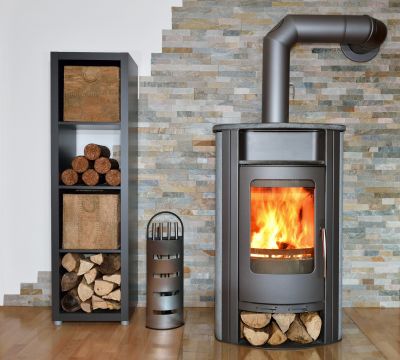
Before comparing options, clearly describe your stove pipe installation project to help local contractors recommend suitable solutions.
- Inspect the stove pipe for any signs of corrosion, rust, or damage that may require replacement or repair. - Ensure the stove pipe is properly aligned and securely connected to prevent leaks and ensure safe operation.
- Verify that the stove pipe has the correct clearance from combustible materials according to local building codes. - Check for proper sealing and joint connections to prevent smoke or gas leaks.
- Look for any obstructions or blockages inside the stove pipe that could hinder proper venting. - Confirm that the stove pipe is free of creosote buildup or debris that may pose fire risks.
- Assess the condition of any existing supports or brackets to ensure the stove pipe is securely mounted and supported. - Confirm that the installation includes appropriate clearances and protective barriers where needed.
- Examine the termination point of the stove pipe for proper venting to the outside environment. - Make sure the vent cap is correctly installed to prevent water intrusion and pests.
- Consult with local contractors to ensure the stove pipe installation complies with safety standards and local codes. - Proper installation by experienced service providers helps ensure safe and efficient operation.
Use this as a springboard to refine your stove pipe installation ideas with trusted local contractors.
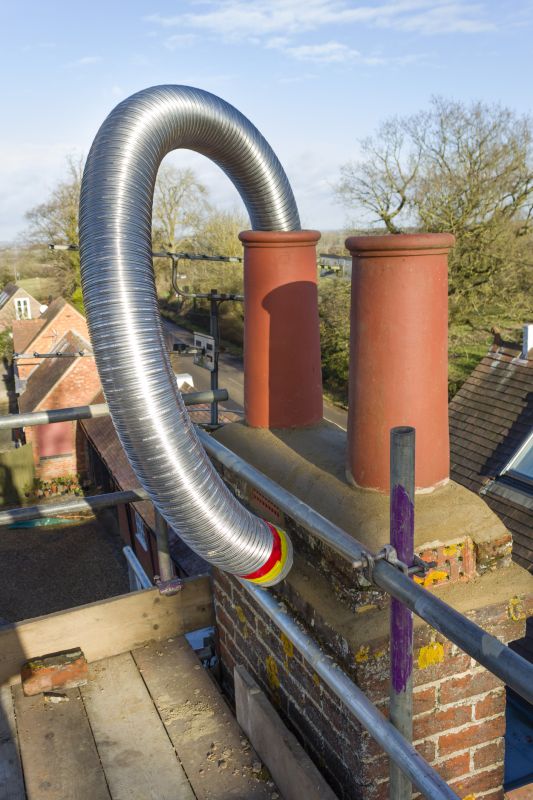
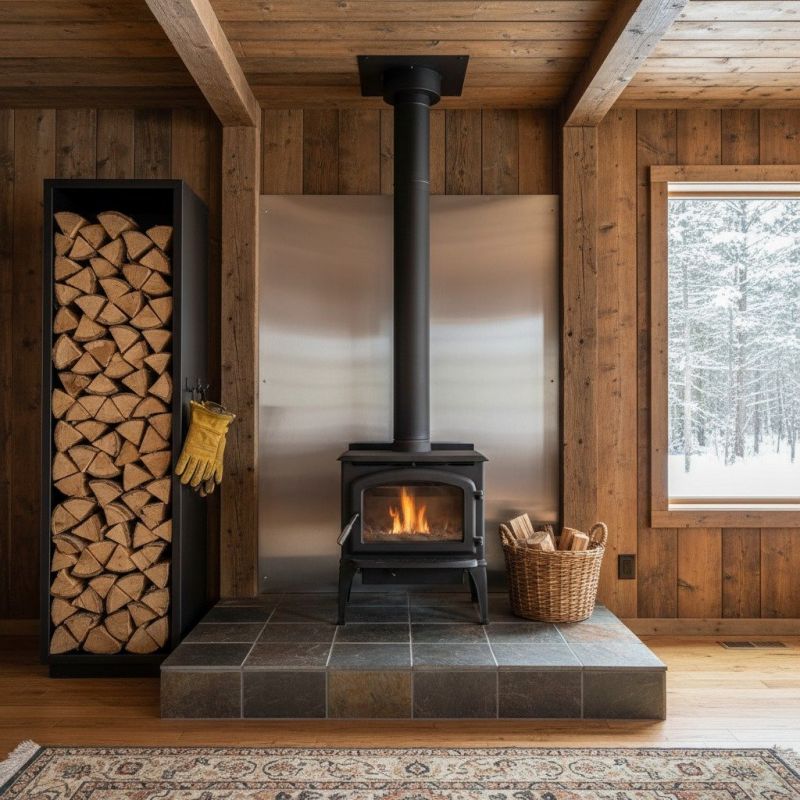
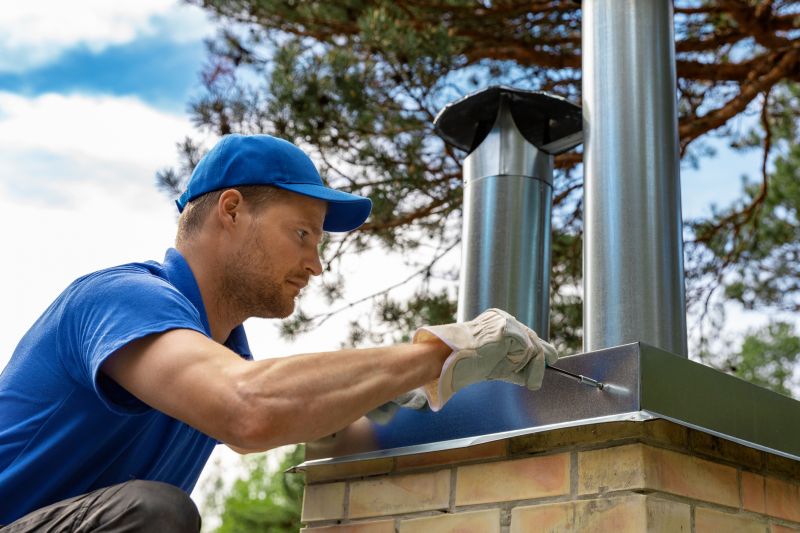
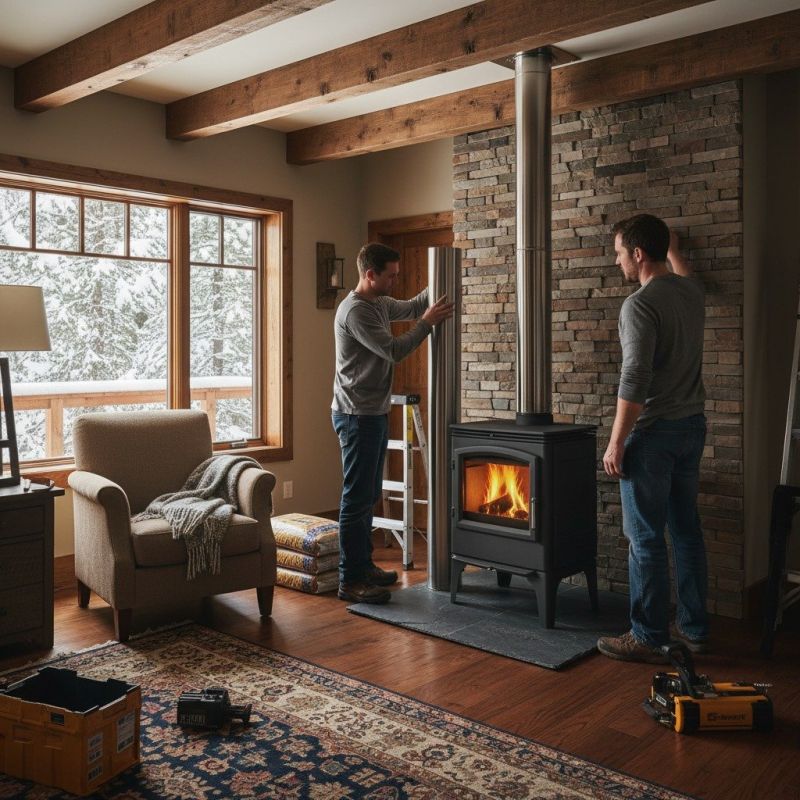
Prioritize your stove pipe installation needs and compare local contractors to find the best fit for your spring project.
- Stove Pipe Inspection and Repair - Spring is a great time to have local contractors inspect and repair existing stove pipe systems to ensure safe operation after winter use.
- Chimney and Flue Cleaning - Seasonal cleaning services can help remove buildup and improve the efficiency of stove pipes as part of spring maintenance routines.
- Stove Pipe Replacement - Upgrading or replacing worn or damaged stove pipes can enhance safety and performance for the upcoming heating season.
- Ventilation System Optimization - Spring projects may include optimizing stove pipe layouts to improve airflow and reduce potential blockages or leaks.
- New Stove Pipe Installation - Installing new stove pipe systems can be part of a spring home upgrade or renovation, handled by experienced local service providers.
Compare different service providers to ensure consistent quality and approach for your stove pipe installation project this spring.
- Material Compatibility - Verify that the stove pipe materials meet the requirements for the specific heating appliance and installation environment.
- Clearance Requirements - Determine the necessary clearances between the stove pipe and combustible materials as specified by local building codes.
- Proper Venting Configuration - Ensure the stove pipe is installed with correct angles, supports, and connections to facilitate safe venting.
- Sealing and Airtightness - Confirm that joints and seams are properly sealed to prevent leaks and ensure efficient operation.
- Accessibility for Inspection and Maintenance - Plan for accessible installation points to allow for future inspection, cleaning, and maintenance by local contractors.
When evaluating service providers for stove pipe installation during the spring season, it’s important to consider their experience with similar projects. Homeowners should look for local contractors who have a proven track record of successfully completing stove pipe installations, especially those that involve the specific type of heating system or chimney setup present in the home. An experienced professional will be familiar with common challenges and best practices, helping to ensure the project is handled efficiently and correctly from start to finish.
Clarity in the scope of work is another key factor when comparing local contractors. Homeowners should seek providers who offer detailed written descriptions of the services included, outlining the steps involved in the stove pipe installation process. Clear communication about what is and isn’t included helps prevent misunderstandings and ensures that both parties have aligned expectations. This transparency can also make it easier to assess the thoroughness and professionalism of each service provider.
Work planning considerations are especially relevant in the spring, when weather conditions can influence project timelines. Homeowners should inquire about how local contractors plan for variable spring weather, such as rain or fluctuating temperatures, which may impact scheduling and workflow. Understanding how each provider approaches project planning can give insight into their organization and reliability, helping to identify those who are prepared to adapt to seasonal conditions and complete the work efficiently.
When comparing options, it’s helpful to evaluate the experience, scope clarity, and planning approach of each local service provider. Homeowners can ask for references or examples of similar projects, review the provided scope of work, and discuss how each contractor manages seasonal planning considerations. This approach allows for an informed assessment of each option’s professionalism and suitability for spring stove pipe installation, ultimately leading to a choice that aligns with the project’s needs and expectations.
Request written details from local contractors to ensure clear scope and consistent expectations for your spring stove pipe project.
- Scope Clarification - What specific installation services do local contractors include in their stove pipe installation packages?
- Provider Comparison - How do different local service providers' approaches to stove pipe installation vary in terms of scope and method?
- Material Selection - Which providers offer guidance on the types of stove pipe materials suitable for spring installation projects?
- Experience and Expertise - How do local contractors' experience levels influence the scope of stove pipe installation services they provide?
- Service Offerings - What range of stove pipe installation services do local pros typically include in their spring-focused service options?
What is involved in installing a stove pipe? Installing a stove pipe typically requires connecting the stove to a properly vented chimney or flue system, ensuring a secure and safe pathway for exhaust gases. Local contractors can handle the installation to meet safety standards and building codes.
Are there different types of stove pipes for installation? Yes, there are various types of stove pipes, such as single-wall and double-wall pipes, each suited for specific stove models and installation requirements. Professional service providers can recommend the best options for a particular setup.
What are common considerations when installing a stove pipe in spring? Spring installation may involve checking for adequate clearance, ensuring proper sealing against weather elements, and verifying the alignment with existing chimney systems. Local service providers can assist with seasonal planning and proper setup.
How long does a typical stove pipe installation take? The duration depends on the complexity of the installation and the existing setup. Experienced local contractors can provide estimates based on the specific project details.
Can a stove pipe be installed in an existing fireplace? Yes, a stove pipe can often be connected to an existing fireplace or chimney, but it requires proper assessment by a professional to ensure safe venting and compliance with safety standards.
Why should I hire professionals for stove pipe installation? Hiring local contractors ensures that the installation is performed correctly, safely, and in accordance with local building codes, helping to prevent potential issues and ensuring optimal performance.
Spring is a great time to consider stove pipe installation as part of seasonal upgrades or home refresh projects. Visitors to this page learned about the importance of proper stove pipe setup for safe and efficient operation, along with key considerations for choosing the right materials and ensuring a secure fit. The information highlights the value of working with experienced local contractors who can handle the installation process with expertise and attention to detail.
To explore options and find the right local service providers for stove pipe installation, visitors are encouraged to use the quote form to compare local contractors. This step can help identify skilled professionals in the area who are ready to assist with seasonal projects and home improvements. Connecting with local experts ensures the job is handled by trusted specialists familiar with regional requirements and best practices.
Providing clear details about your stove pipe installation helps local contractors understand your project needs effectively.
- Experience - Share details about your current stove pipe installation needs or recent updates to your heating system.
- Project Details - Describe the type of stove pipe work required, including any specific materials or configurations.
- Location - Provide your service area to help match with local contractors who can handle the installation.
- Additional Information - Mention any relevant building codes, existing systems, or preferences for your stove pipe project.